





Happy birthday Val Thorens!
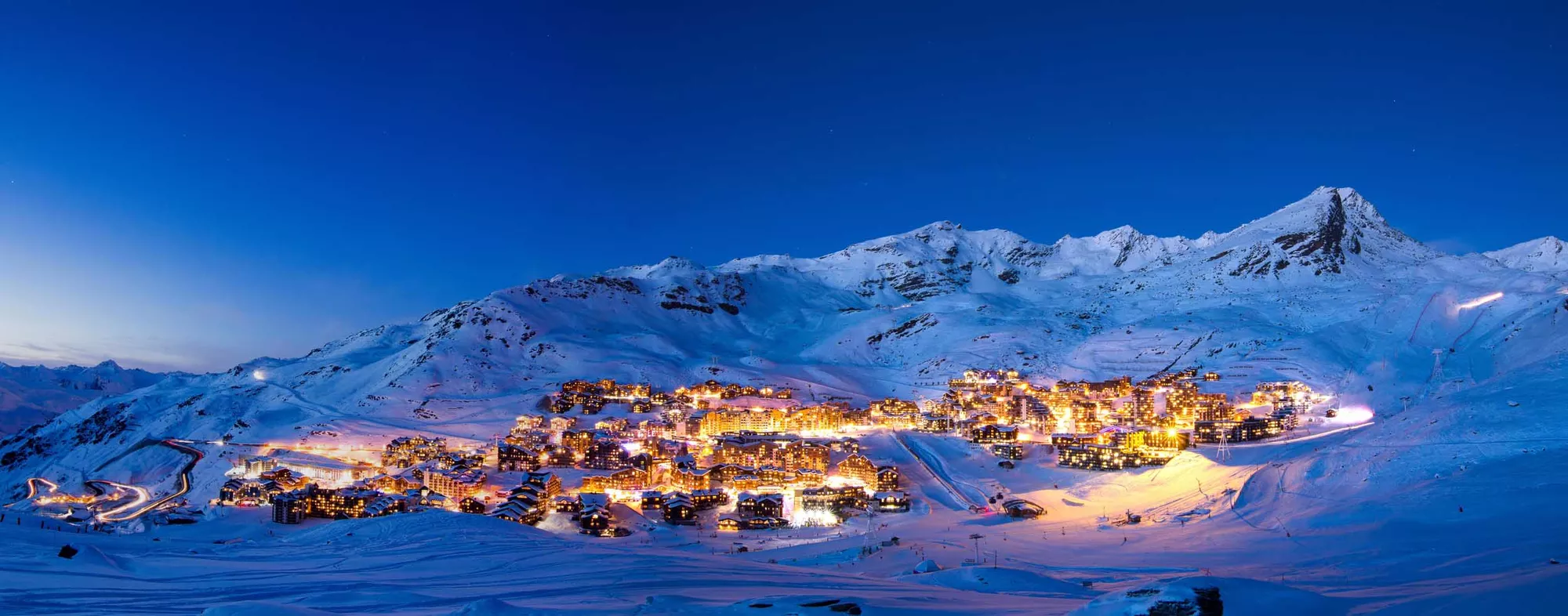
Europe's highest ski resort is celebrating its 50th anniversary this year. It's the crown jewel of winter tourism, located at the summit of the 3 Vallées and a symbol of 70s utopianism. However, its beginnings were not without uncertainty. For Cimalpes, which opened its agency in Val Thorens in 2021, this is a momentous occasion that we cannot let pass without sharing the fascinating story of "our" Val Thorens.
The creation of Val Thorens: A Story Full of Twists and Turns
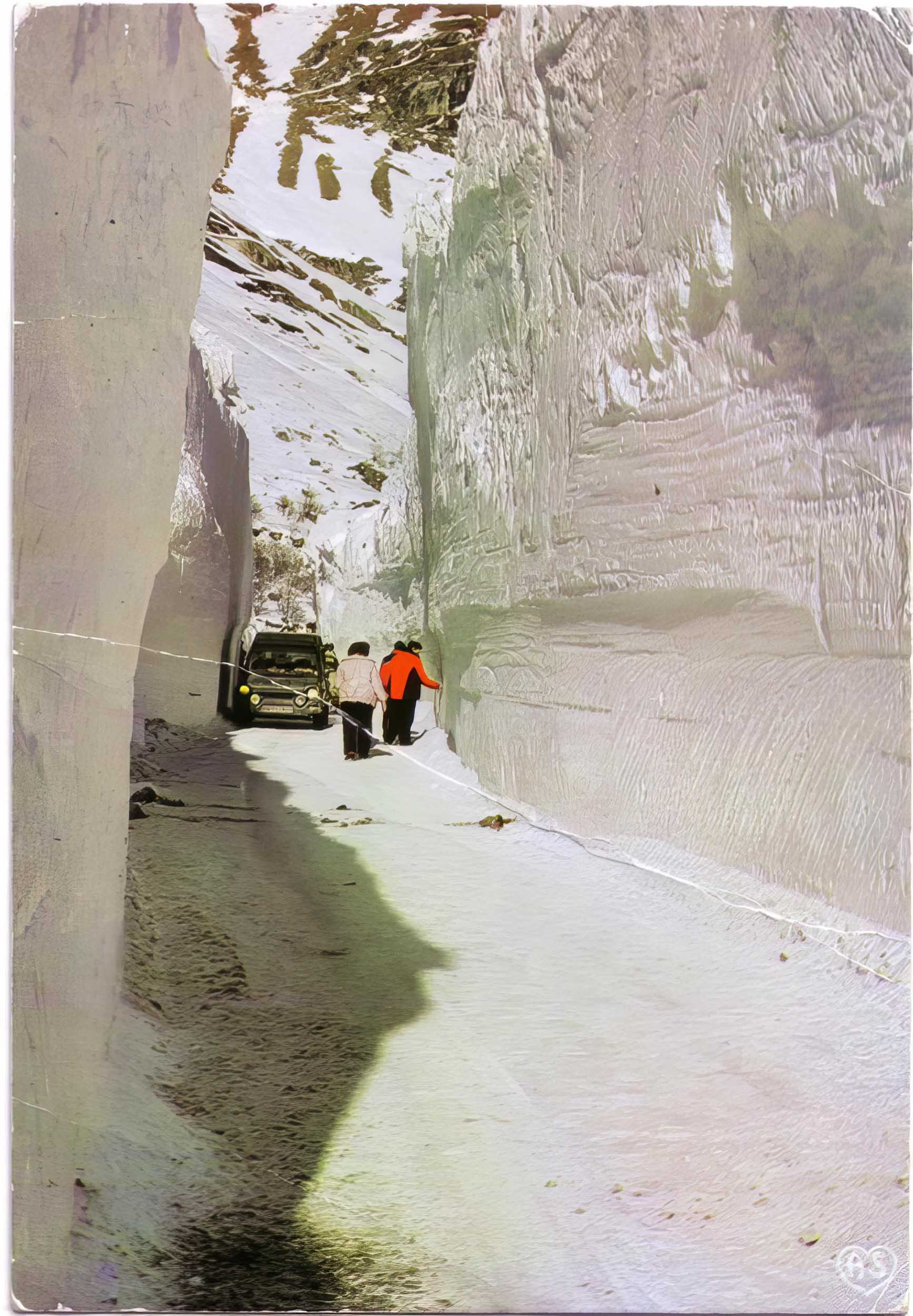
The story of Val Thorens is a thrilling blend of suspense and adventure, reminiscent of films like "Vertigo" and "The Wild Bunch". At the outset, the resort was plagued by a series of unpredictable events: resistance from certain political voices who opposed financing essential public facilities for the resort, fear of living in high altitudes following the traumatic experience of the winter storms of 1970, and fanciful threats to health risks. Even the project’s original promoter, Pierre Schnebelen, had difficulty garnering support for his "365 days of skiing per year" vision, leading to his withdrawal from the project.
At the time, "Too high, too far, too cold, too windy, too risky" was a common comment heard about the Val Thorens project.
Despite the odds, Pierre Josserand, a young engineer who was tasked by Schnebelen to bring the project to fruition, believed in the resort's potential. He opens the adventure chapter of the story, one of conquering altitude with the help of other pioneers. Despite Schnebelen's withdrawal, Josserand persevered by securing loans from the local council. He set up his office in a prefab building at the foot of the first ski lifts, funded by communal funds. "During the first winter, we didn't see many people," he admitted. Meanwhile, his wife, who was charged with selling the future apartments, presented the project to the valley residents. She recalled this particular response: "How can you expect us to invest up there... even the cows don't go there!"
With the help of adventurous investors, the resort slowly took shape, and the ski area was developed. In 1982, the Cime Caron, a rocky spur towering over the Belleville Valley at 3,200 meters, was equipped with a cable car. It was the largest cable car in France at the time and shone a spotlight on Val Thorens. Pierre Josserand, a visionary engineer, designed the ski area while innovating in cable transport, promoting it as "a clean and virtuous mode of transportation". His technological innovations would spread throughout the mountains, including the double-loading chairlift, the double-cable tractor gondola, and the first automated ski lift.

Val Thorens : A Pioneering Adventure
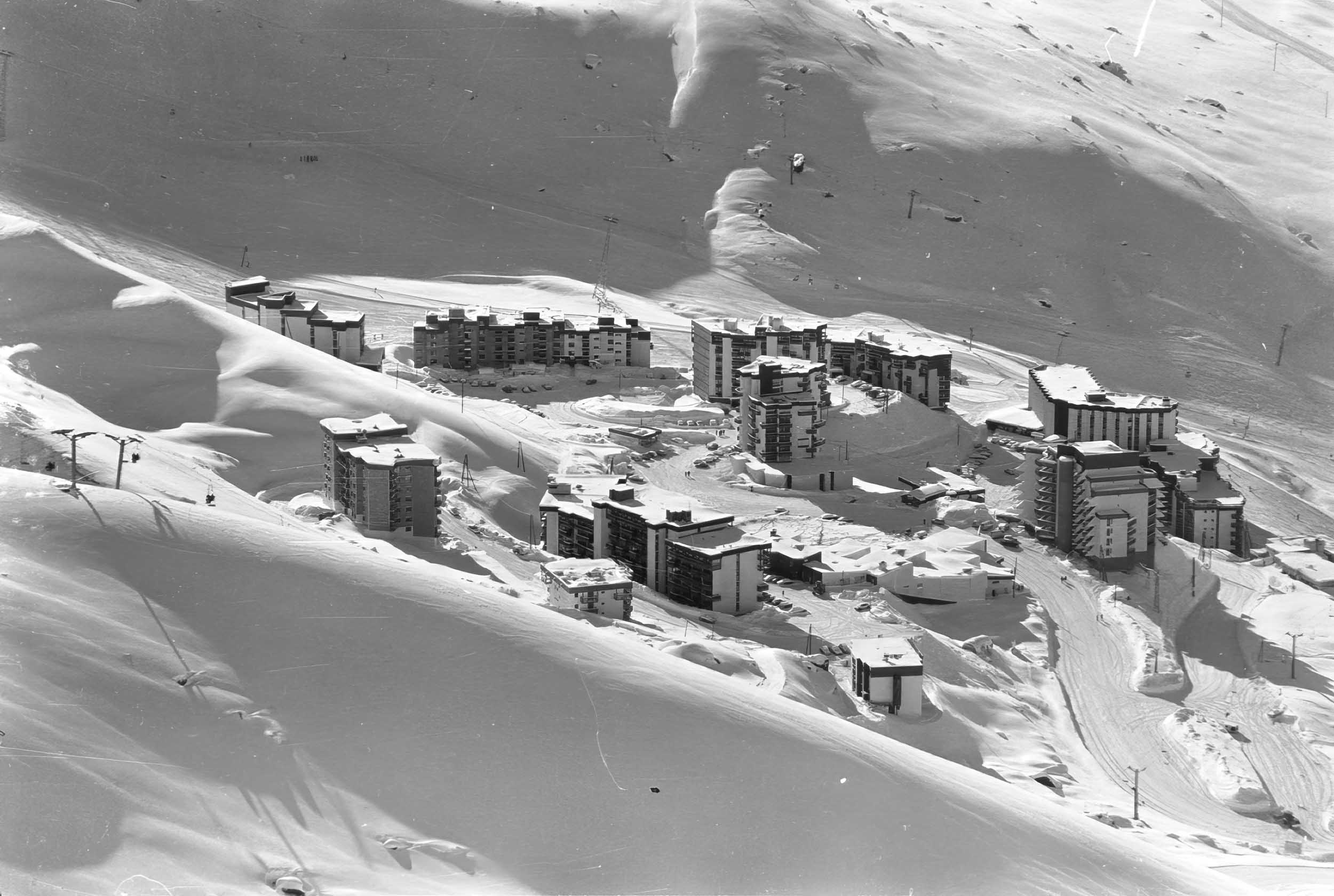
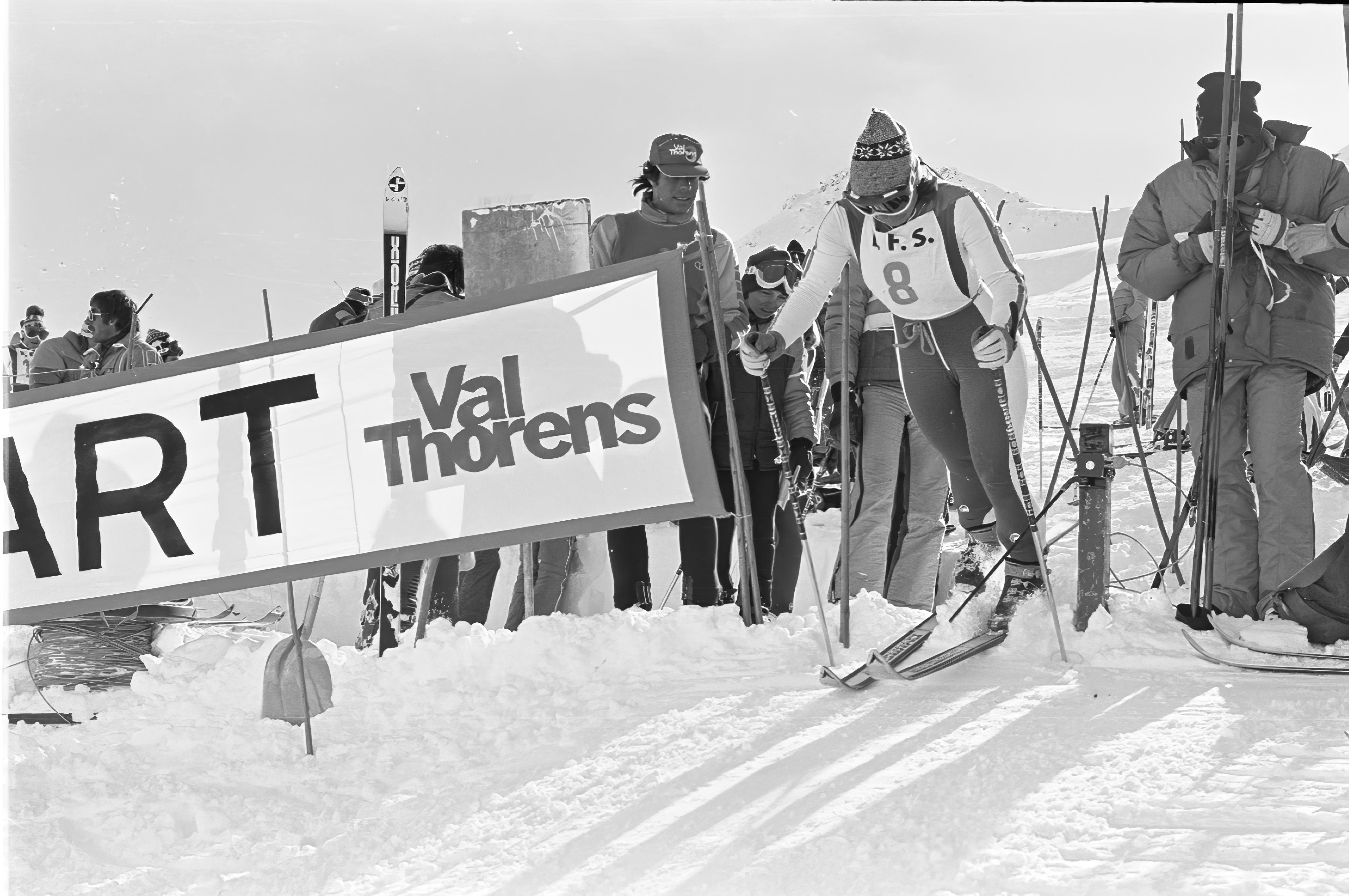
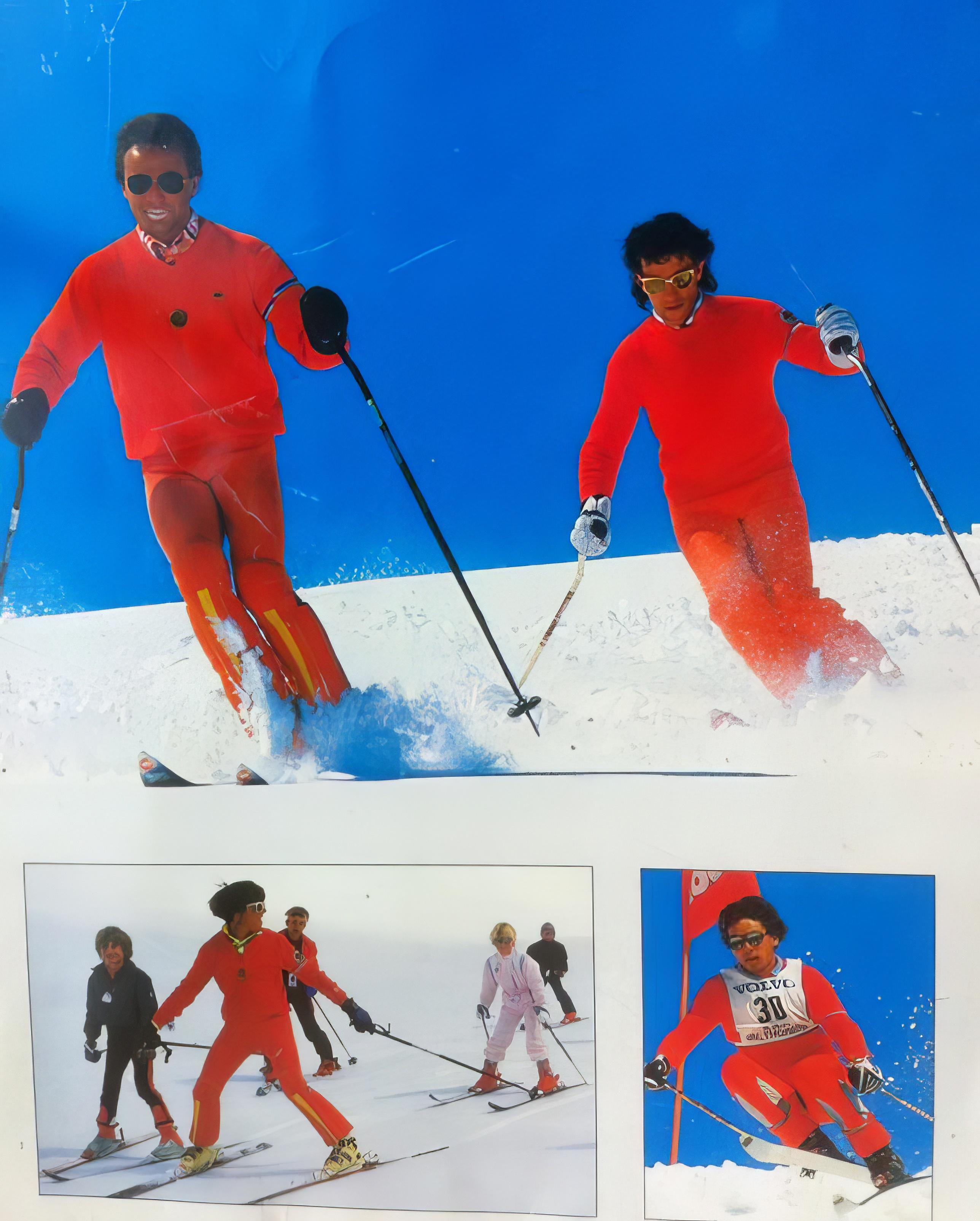
Val Thorens is more than just an economic challenge; it is first and foremost a human adventure. Pioneers from the very beginning worked tirelessly to make the resort popular. Among them was Jean Béranger, an alpine ski coach and prominent figure in French skiing, who created the ESF (French Ski School), the Sports Club, and the Tourist Office in Val Thorens. He was accompanied by Christine and Marielle Goistchel, the medal-winning sisters from the 1964 Innsbruck Olympics. Christine Goitschel recalls, "When it opened in 1973, the resort only had four or five families. We were pioneers living in a snowy Far West. There was no doctor, no pharmacist, no grocery store. Our supplies were brought up to us by snow groomers."
In 1977, Georges Cumin, who had become Mayor of the municipality of Saint Martin de Belleville, which encompasses Val Thorens, undertook a redesign of the resort's urban plan. He cut in half the allowable building areas, which he deemed unreasonable. A proponent of car-free resorts, which liberate landscapes from the omnipresence of cars, he designed pedestrian and ski connections between the various snow fronts and built closed parking lots for cars. "Making paid parking mandatory was a gamble because many feared it would deter customers, but it paid off because tourists appreciated the clear streets and the ability to walk in groups."
Like an Ariadne's thread, the pioneering and visionary spirit endures and is passed on. Today, at the end of its real estate development, Val Thorens is fine-tuning its leisure offer. The resort has just inaugurated The Board, a brand new sports and cultural centre designed to look like... a snowboard. A concentration of aquatic, sports, and wellness activities for all ages, promoted as alternatives to skiing.
Cimalpes in Val Thorens
In 2021, Cimalpes opened its agency in Val Thorens. To establish itself, the company called upon a couple who arrived in the resort twenty years ago. Alexandra and Stéphane Meyniel, respectively in charge of Rentals and Sales, know the resort like the back of their hands and confirm the pioneering spirit that persists.
"It's a mindset that has imposed itself on all the stakeholders in the resort," explains Stéphane. "A mindset that is based on 'anything is possible, nothing can stop us.’”
To this is added the family spirit that binds isolated residents in this "world’s end". Val Tho was carried by people of all origins, often from outside Savoie. "It was very easy to fit in," confirms Alexandra. "And since the winter seasons are long and sometimes harsh, it helps to bring people closer together." A family spirit that is also present within the agency, which had to face rapid development and now relies on a team of eight people.
"We're thrilled to have taken the real estate turn! The customer contact is exciting, and we enjoy welcoming guests to a resort that has so many advantages: altitude, ski-in/ski-out, a huge ski area, and a vibrant atmosphere." And if there were a downside? "In May and June, when it's sunny everywhere and people are firing up the barbecues, it's a little hard to still have your feet in the snow," admits Stéphane.

Discover the history of Val Thorens
"Val Thorens 1969-1970-1971", a duty of remembrance by Pierre Josserand, Ed. Inverse.
"Mémoires des Belleville", Georges Cumin, Ed. FACIM, 2009.


