



Is the snow whiter on the other side?
Tarentaise, Tyrol, Valais, Dolomites: these four Alpine regions share a considerable portion of the skiing offer in the Alpine arc. Laurent Vanat, an expert in the economics of mountain tourism, provides a comparative overview.
The Alpine arc is fascinating in the way its landscapes, architecture, and charm differ as you follow its curve. From Savoie to Tyrol, nothing quite resembles anything else. Those who come here may never go there. The clientele itself can vary drastically, influenced by different sensitivities and geographical proximity. Laurent Vanat examines the realities of this Big Four.
GEOGRAPHICAL ORIGIN OF SKIERS
With 66% of foreign customers, a majority of which are German, Tyrol stands alone at the top of the leaderboard. Foreign skiers in Switzerland and Italy account for 35%, including many Brits. France reaches 27%, with a mix of Brits, Belgians, Dutch, Danes, and more. Our expert notes that the clientele in international resorts is comprised of 50% of foreigners, peaking at 70% in Val Thorens.
Another observation is that the Swiss, French, and Italian markets overlap significantly. However, Austrians prefer skiing in their home country! In total, 60 nationalities regularly visit the Alps, with Germany being the largest contributor.
SKIER-DAYS
 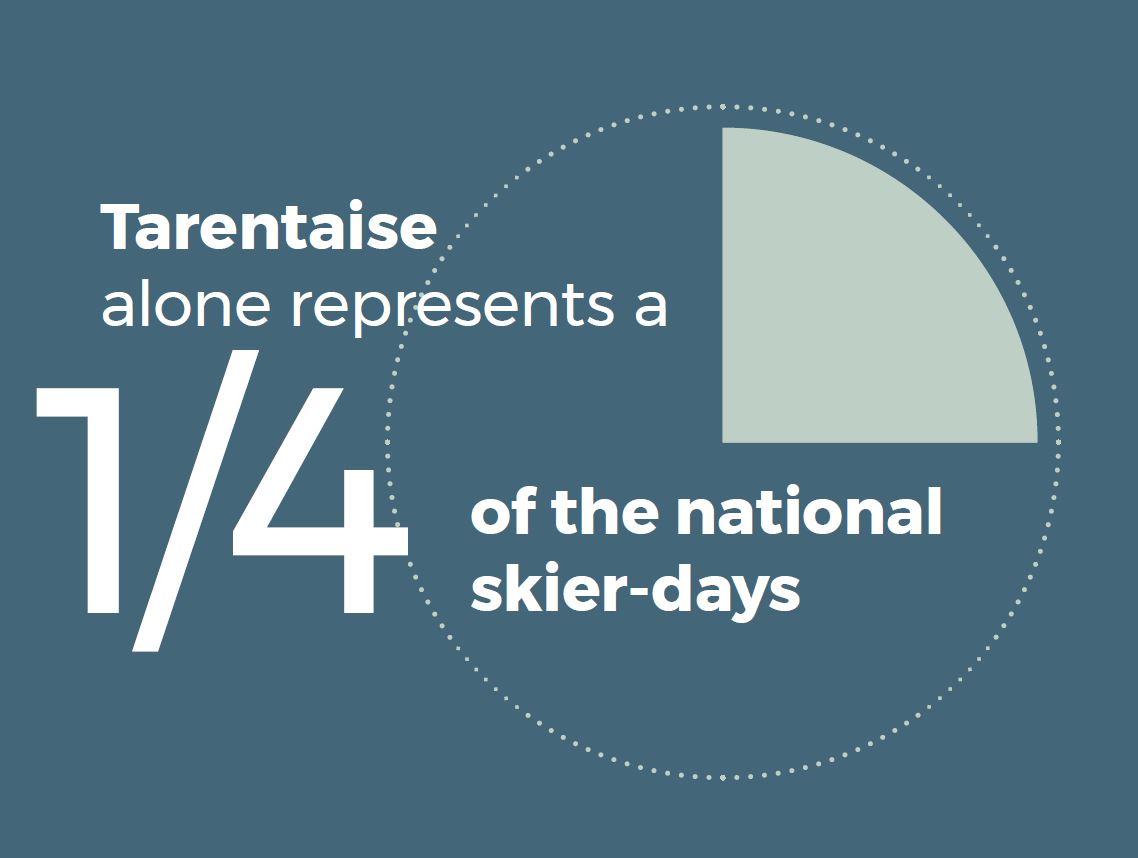  |
Tyrol has 25 million skier-days, accounting for 47% of the Austrian total. Valais and the Dolomites are responsible for one-third of the national skier-days. Tarentaise alone represents a quarter of the national skier-days. Les 3 Vallées, Tignes, and Val d’Isère (the resorts examined by Laurent Vanat) together cumulate 7.5 million skier-days, which is much more than the combined skier-days of Kitzbühel, Ischgl, and Sölden, or Crans-Montana, Verbier, and Zermatt. “Crans- Montana and Cortina are famous resorts that continue to attract a wealthy clientele, but not necessarily to ski.” |
INFRASTRUCTURE
► All the resorts are accessible by road, which accounts for 57% of mountain tourism’s greenhouse gas emissions. Valais and Kitzbühel perform significantly better due to railway connections to the resorts.
► Much of the ski lift infrastructure in the Alpine region is relatively new, despite a few outdated installations. Cortina is lagging, but the 2026 Olympics should lead to an upgrade of its infrastructure.
► As for the hotel industry, Tyrol and Dolomites offer the best value for money. Valais and Tarentaise are at top of the luxury segment. Verbier and Crans-Montana have a wide spectrum, featuring both highly priced luxury hotels and overrated mid-range establishments.